How fast can Norfolk Porta Pros respond after a storm?
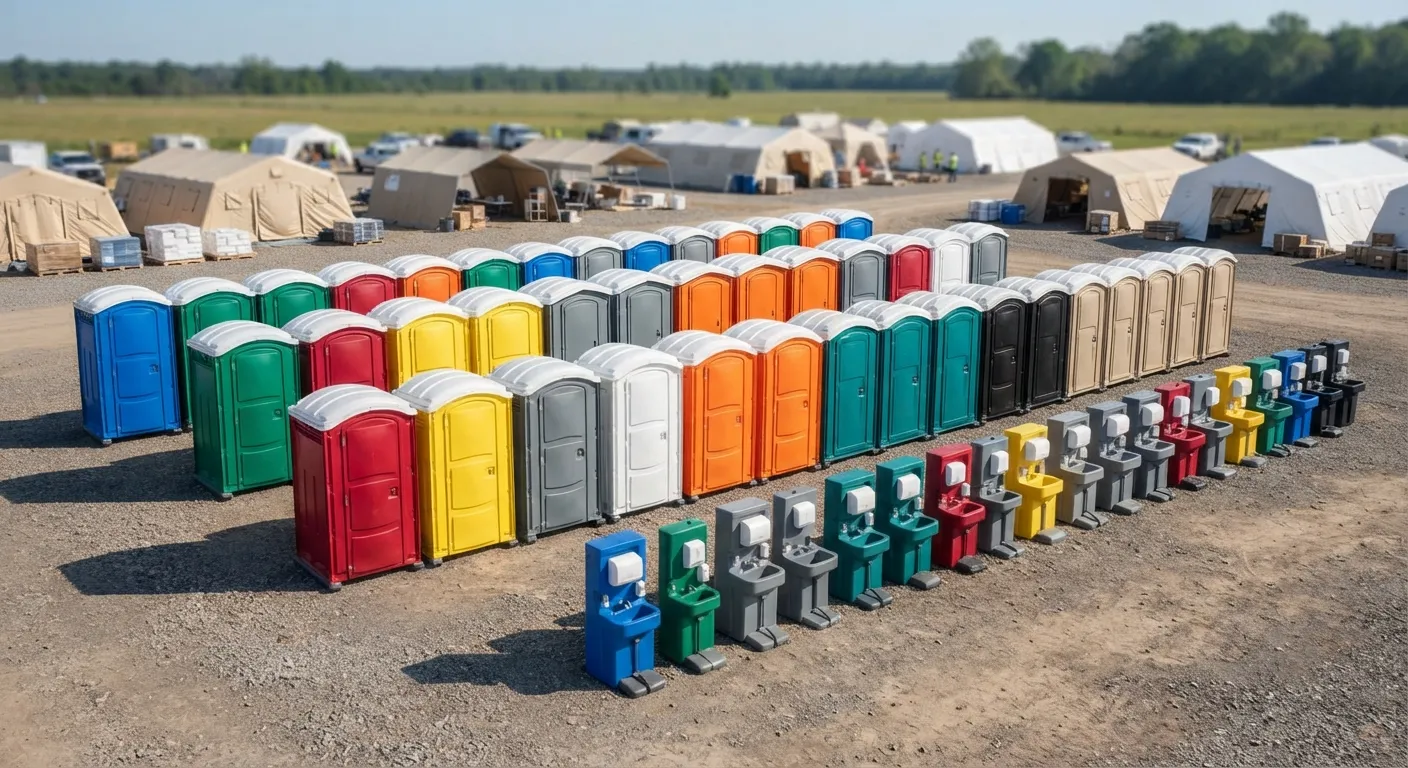
Speed is the whole job in a disaster. When Norfolk floods or loses power, Norfolk Porta Pros treats every call as emergency porta potty rental territory, not a standard order. Trucks stage units ahead of forecasted storms when possible, then move fast once roads clear. A portable toilet rental delivered to a shelter, a Red Cross site or a neighborhood staging area typically needs about 60 feet of straight clearance behind the truck, so tell us if debris or downed lines block access. If your property took damage and crews are gutting rooms, a home renovation porta potty works the same way a disaster unit does, just on a calmer timeline. For agencies coordinating shelter operations across Norfolk, Hampton, 12.6 miles north, or Chesapeake, 23.0 miles south, we can run multiple drop points under one ticket. Municipal and county contacts sometimes require proof of placement before trucks roll, and that requirement is not verified here, so confirm any right-of-way or staging rule directly with the city before we deliver. We also carry temporary fencing and light towers for sites where debris, downed power or standing water make the area unsafe at night, though the light tower link should route through light tower rental. A temporary power pole can also get a command post running while permanent power is restored.
What sanitation do shelters and relief sites actually need?
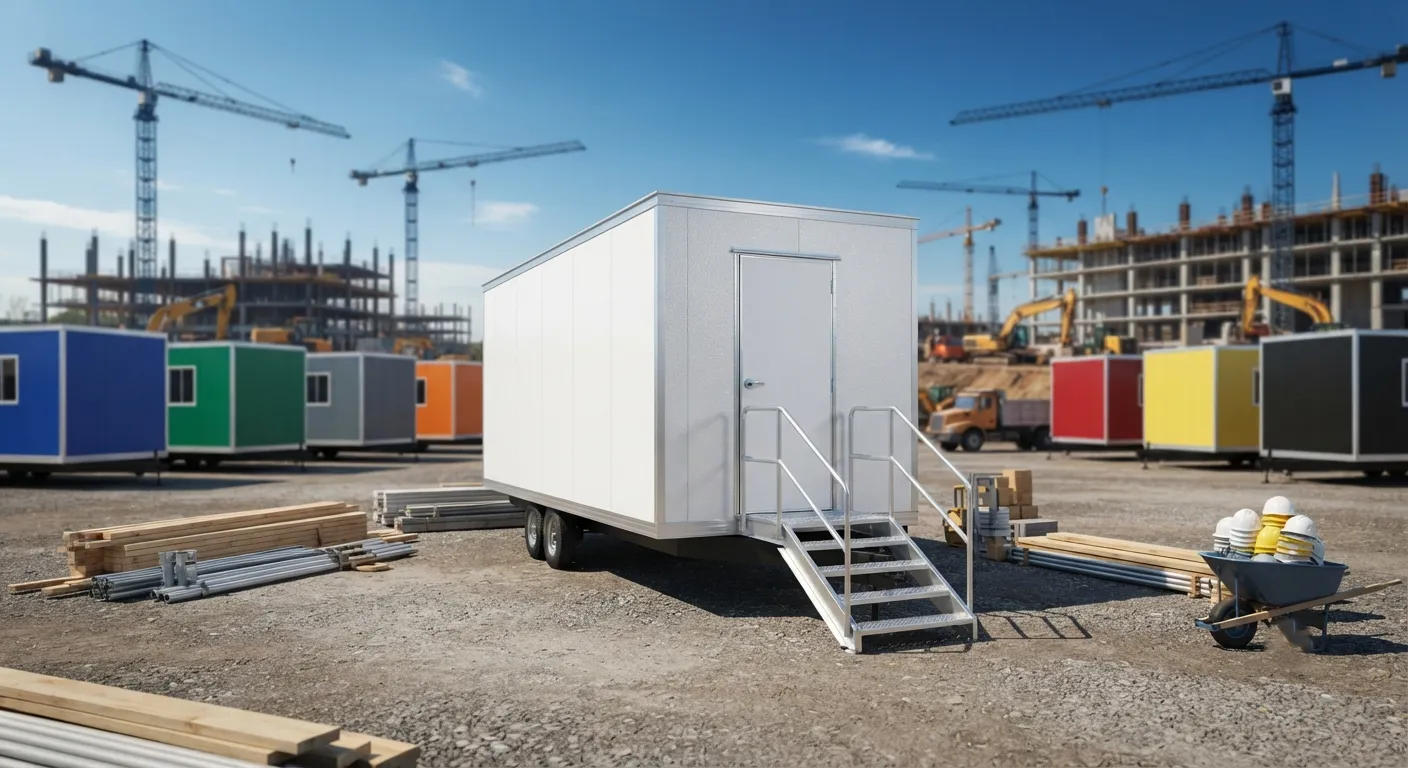
A shelter running for days needs more than a toilet in the parking lot. OSHA's construction sanitation rule, 1926.51(c), sets a baseline of one toilet facility for every 20 people, and that ratio is a reasonable starting point for a relief site even though it was written for job sites, not shelters. Add handwashing station rental units nearby, since 29 CFR 1910.141(d)(2) requires soap and towels or a hand-drying device at any washing facility, and hand sanitizer alone does not meet that standard. Water itself matters too. OSHA 1926.51(a)(1) calls for an adequate supply of potable water at any place of employment, a rule that applies just as well to a staffed relief site. If the site includes anyone with a mobility limitation, ADA Standards section 213.2 requires that at least 5 percent of clustered single-user toilets be accessible, with a minimum of one unit regardless of cluster size, so an ADA accessible porta potty belongs in the mix from day one, not as an afterthought once someone asks. For sites needing a full facility, an 8 stall restroom trailer or 4 stall restroom trailer covers a larger population with real fixtures, and a shower trailer rental matters for anyone displaced for more than a night or two. Debris cleanup that follows a storm usually calls for a roll-off dumpster rental as well, since storm debris fills trucks fast and a 20 yard dumpster rental or 30 yard dumpster rental clears a lot in one haul.
Why does septic and holding tank backup matter after flooding?
Flooding pushes groundwater up into septic systems and can back sewage into homes that otherwise work fine. A septic pumping service call after a flood is common in Norfolk, and a residential tank that normally gets pumped every 3 to 5 years may need an out-of-cycle visit if floodwater got into the system. If your home is uninhabitable and plumbing is offline, a holding tank rental keeps a household functioning without relying on damaged lines. Watch for septic tank warning signs like slow drains or wet spots in the yard, since those often show up after a storm even when the tank looked fine before. Commercial kitchens feeding relief workers should also check grease interceptors, since FOG and solids reaching 25 percent of the liquid depth trigger a grease trap pumping call regardless of the disaster. If service to your area is urgent, our emergency septic service line runs the same priority queue as our toilet dispatch.
| unit | duration | typical |
|---|---|---|
| standard | day | 150 |
| standard | week | 200 |
| ada | day | 230 |
| septic | day | 250 |
Full detail on rates lives on our porta potty rental cost page, and monthly relief deployments should check monthly porta potty rental pricing before committing to a long recovery window.
How many units does a shelter need?
Start with OSHA 1926.51(c): one toilet per 20 occupants. A 200-person shelter needs roughly 10 standard units plus at least one ADA unit under section 213.2. Use our how many porta potties do I need guide to size it exactly, since shift changes and meal times change peak demand.
Can you deliver during an active storm warning?
Usually not once winds hit unsafe driving thresholds. We stage units ahead of forecasted storms whenever possible so they're already on-site when the warning lifts. Call early. Waiting until the storm arrives is the most common reason a delivery gets delayed a full day.
Do relief sites need permits for placement?
Placement rules vary and are not verified here. Confirm right-of-way and staging requirements with the city before delivery, especially for public land or blocked streets. We can hold a delivery until you've confirmed, so ask before it becomes a problem.
What if floodwater already got into the units?
Contaminated units get pulled and swapped, not just serviced in place. Call our main line the moment you notice standing water near a unit. We prioritize swap requests for flood-contaminated toilets over routine cleaning stops.
Can you handle debris cleanup alongside sanitation?
Yes. Storm debris usually needs a dumpster on-site fast, and we coordinate delivery of both on one ticket. Check dumpster weight limits before loading wet debris, since saturated material weighs far more than dry waste and can exceed limits quickly.
Next step
Get a delivery date
Tell us the address, the dates and the headcount. We size the order and confirm the route.