
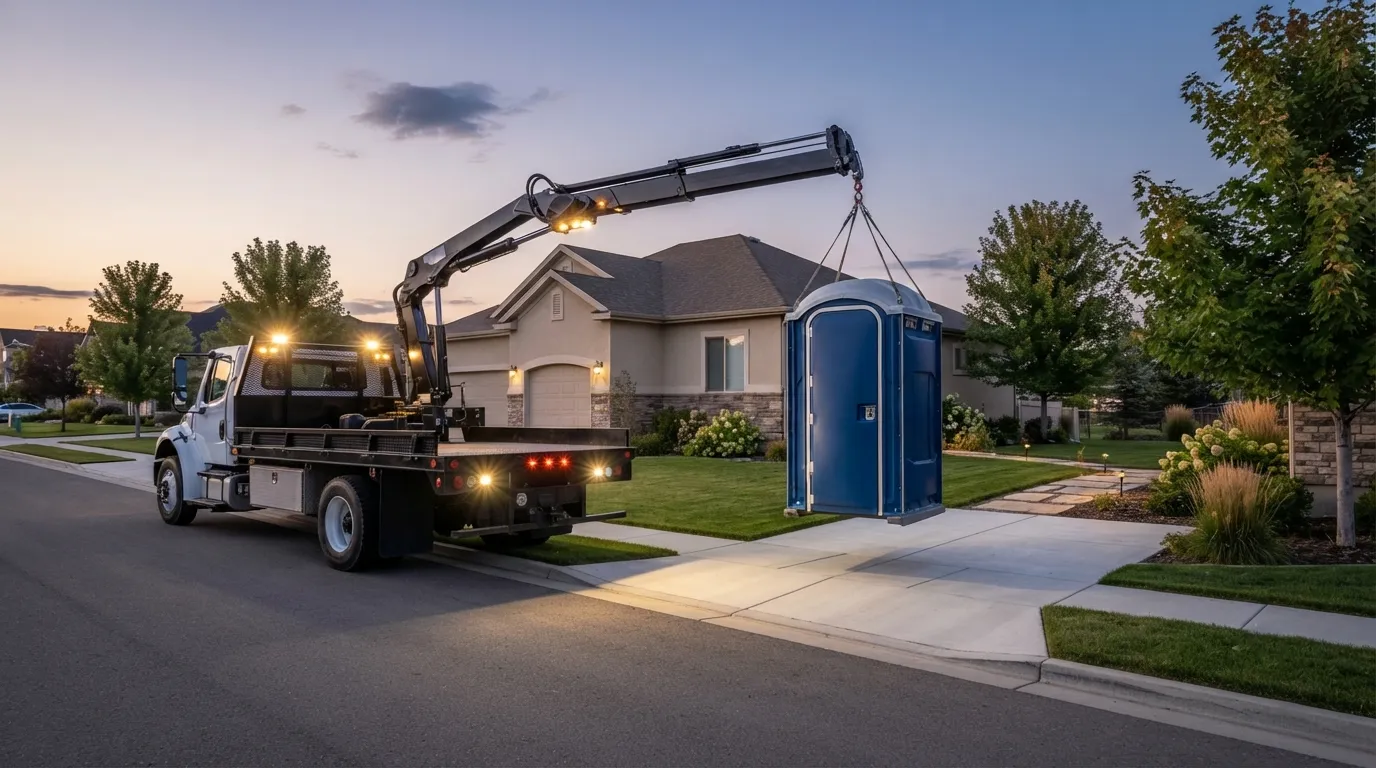
How fast can you deliver a porta potty in an emergency?
Most emergency calls in Norfolk get a unit delivered same day, sometimes within a few hours depending on the route and what's already loaded on the truck. A roll-off or restroom trailer rental needs about 60 feet of straight clearance behind the truck, so tell us up front if your driveway or job site is tight. Storms, water main breaks and failed septic systems are the most common triggers, and Hampton sits 12.6 miles north of Norfolk, which is close enough that we run trucks between the two without adding a full extra leg to the schedule. If your event or crew needs backup units beyond the first delivery, ask about emergency porta potty rental stock levels when you call, because a single unit rarely covers a whole crew once the regular restroom goes down. We also stage standard porta potty rental units for exactly this kind of short-notice swap, and if ADA access matters for your site, an ADA accessible porta potty can go out on the same emergency run.
What counts as an emergency septic or grease trap situation?
A tank backing up, alarms sounding on a lift station, or a grease interceptor overflowing into a kitchen floor drain all qualify as emergencies, and each needs a different response. A grease interceptor is serviced once fats, oils, grease and solids reach 25 percent of the liquid depth, and once you cross that line you're not scheduling a routine visit, you need grease trap pumping now. A residential septic tank is typically pumped every 3 to 5 years depending on tank size and household size, but emergencies don't wait for that window. Emergency septic and pumping calls in Norfolk run in the same day-rate band as scheduled visits, just dispatched faster. If you're not sure whether your system needs emergency service or can wait, septic tank warning signs covers what to watch for, and how often to pump a septic tank explains the normal interval so you know what's abnormal. For businesses running commercial kitchens, an emergency septic service call and a grease trap call are not the same dispatch, so say which one you need when you phone in.
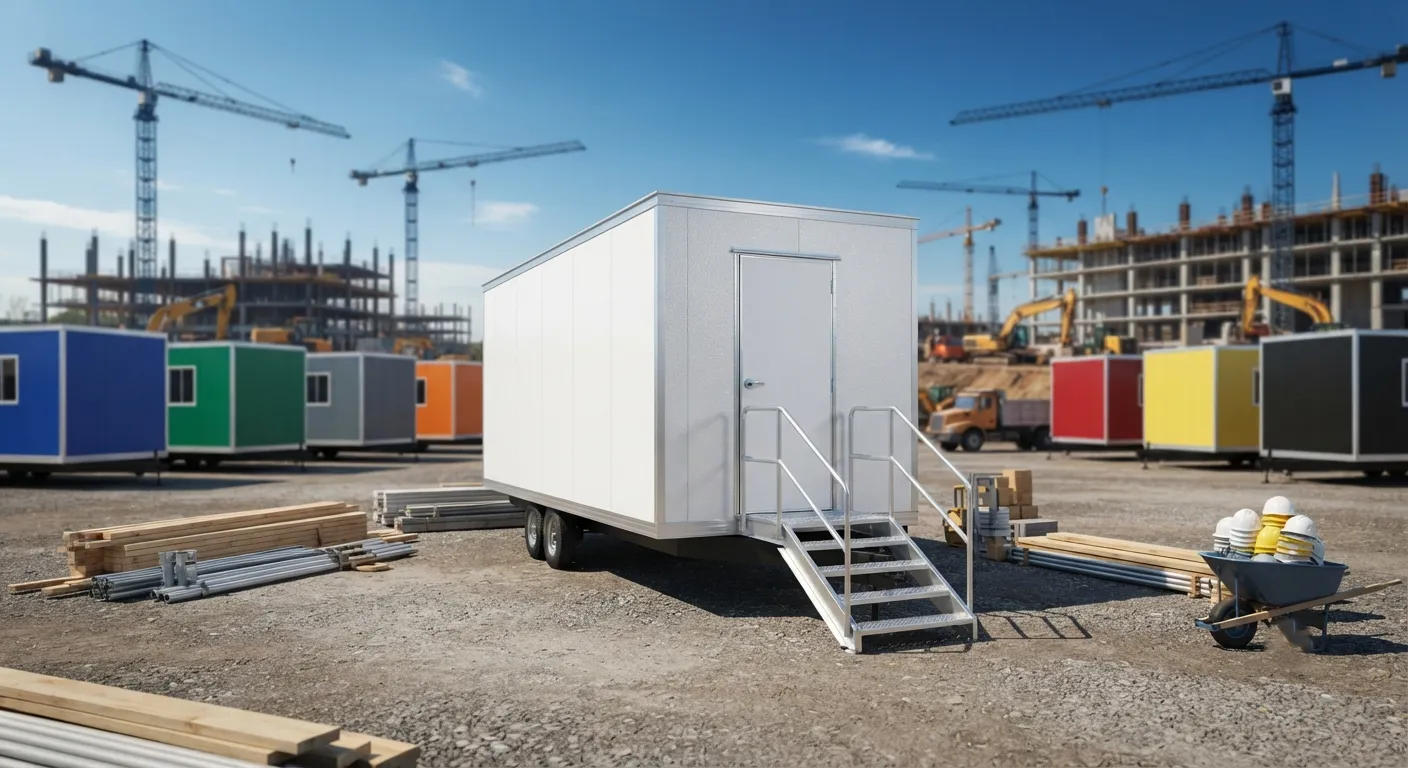
Do you offer emergency shower trailers too?
Yes. When a facility loses hot water or a crew gets displaced by a flood, an emergency shower trailer can go out alongside restroom units on the same trip. Shower trailers pull from the same delivery fleet as our 4 stall restroom trailer and 8 stall restroom trailer units, so combining a shower and restroom order into one emergency delivery is common and doesn't require two separate trucks. A standard portable unit carries a 60 to 70 gallon holding tank and stands about 92 inches tall, footprint roughly 44 by 48 inches on the ground, so even tight urban lots in Norfolk can usually fit one or two without blocking a fire lane. If your emergency involves a disaster response rather than a single broken fixture, disaster relief sanitation covers larger-scale deployment, and holding tank rental is worth asking about if wastewater storage, not just toilets, is the immediate problem.
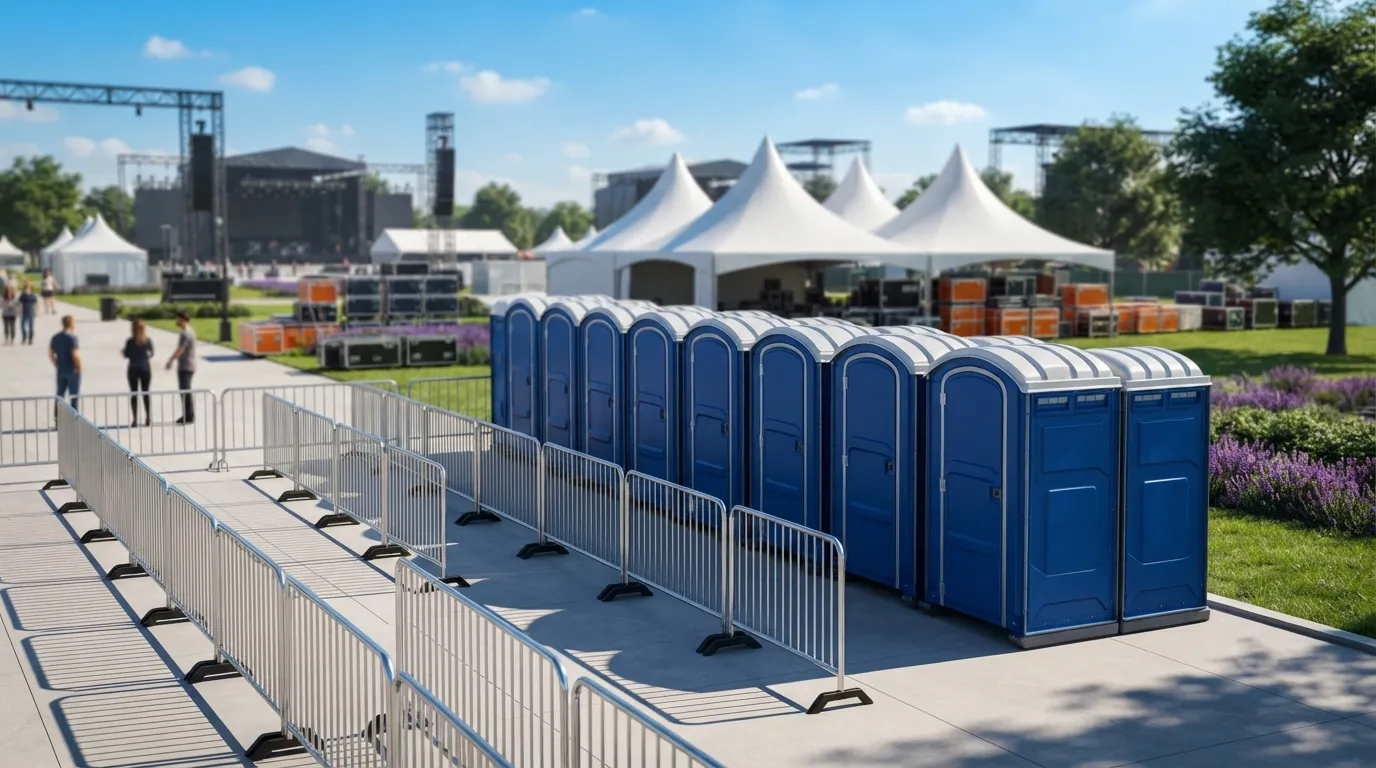
What does emergency delivery cost compared to a scheduled rental?
Emergency and same-day orders generally land at the higher end of the normal day-rate band rather than in a separate premium tier, though weekend and after-hours dispatch can push costs up. Here is how the day rates compare across the units most requested on emergency calls:
| unit | day rate low | day rate typical | day rate high |
|---|---|---|---|
| standard | $100 | $150 | $350 |
| deluxe | $85 | $300 | $1200 |
| ADA | $200 | $230 | $400 |
| septic pumping | $150 | $250 | $300 |
Delivery itself is billed separately, and a day-rate delivery fee typically runs $150, though it can climb to $500 depending on distance and how fast the truck needs to move. If your emergency turns into an ongoing need past the first week, ask about switching to porta potty rental per day or monthly porta potty rental pricing instead of paying repeat emergency rates. For a full breakdown of what drives cost up or down, porta potty rental cost walks through it in more detail. OSHA 1926.51(c)(1) sets toilet counts by crew size on construction sites, one facility for 20 workers or fewer, so if your emergency is a jobsite short on facilities rather than a broken unit, that ratio tells you how many to add, not just replace.
How many porta potties do I need for an emergency situation?
Start with OSHA 1926.51(c)(1): one toilet for 20 workers or fewer, then scale up as headcount grows. For events or displaced households, one unit per 10 users over a short window is a reasonable emergency baseline. See how many porta potties do I need for a fuller breakdown by group size.
Can I get a porta potty delivered the same day near me?
Usually, yes, if you call early enough in the day. Norfolk deliveries move fastest when the route overlaps with other stops already scheduled that day. Confirm placement clearance and site access when you call, since tight driveways or narrow alleys can slow delivery down.
What happens if a septic tank backs up on a weekend?
Weekend septic calls cost more than weekday visits, generally landing in the $50 to $150 range for a straightforward pump-out, but backups don't always wait for Monday. Call as soon as you notice sewage backing into fixtures. See septic pumping service for standard scheduling once the emergency passes.
Do emergency handwashing stations come with the same short notice?
Yes, handwashing station rental units can go out alongside emergency toilets. 29 CFR 1910.141(d)(2) requires soap and towels or a hand-drying device at wash stations, not just sanitizer, so ask for a fully stocked unit, not a bare basin.
Is there a minimum rental period for emergency units?
No fixed minimum applies to emergency dispatches, but most orders default to at least a one-day rate. If the emergency stretches past a few days, switching to a weekly rate usually costs less per day than repeating single-day charges.
Next step
Get a delivery date
Tell us the address, the dates and the headcount. We size the order and confirm the route.