
How Often Does A Septic Tank Need Cleaning?
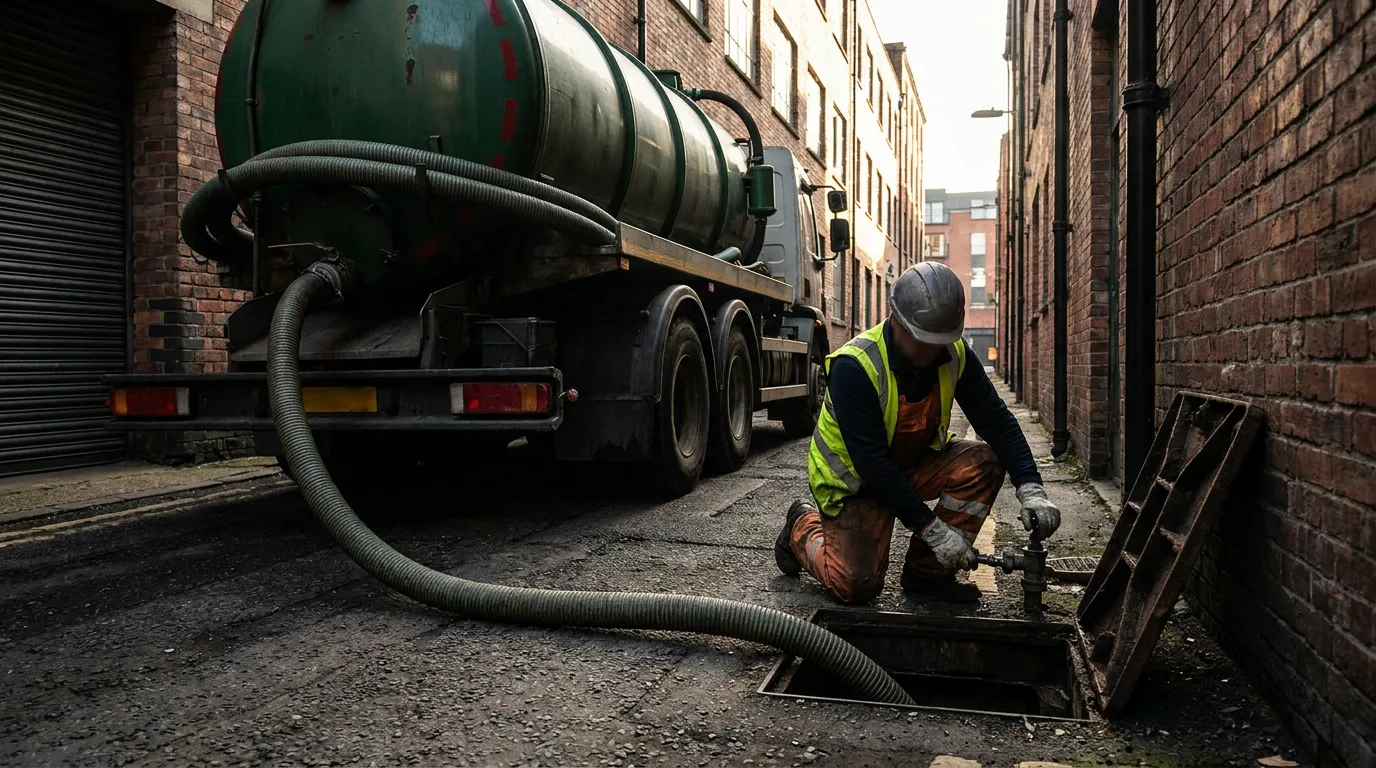
The honest answer is: it depends on your tank and your household, but 3 to 5 years is the range most homes fall into. A 1,000 gallon tank serving a family of four fills with solids faster than the same tank serving a couple. Norfolk Porta Pros gets calls from homeowners who waited 8 or 9 years between services, and most of them are dealing with a slow drain or a soggy patch in the yard by the time they call. That is not septic tank cleaning frequency, that is septic tank neglect, and it often shows up alongside the same issues covered in septic tank warning signs. If you are unsure where your home falls, our septic pumping service page walks through what a pump-out actually involves, and septic tank warning signs covers what to watch for between services. Homes near Hampton, about 12.6 miles north of Norfolk, run into the same tank-sizing questions, so this is not a Norfolk-only issue, and our service areas page covers coverage across the region. If you are budgeting for the visit, septic tank pumping cost breaks down what a standard pump-out runs.
What Determines How Often You Need To Pump?
Tank size and household size are the two biggest factors, but they are not the only ones. Garbage disposal use adds solids faster than a home without one. Laundry habits, water softeners and how many bedrooms feed the system all shift the math. A 1,000 gallon tank serving a household of six will need attention more often than the same tank serving two retirees, a sizing question our how many porta potties do I need guide touches on from the events side. Soil conditions matter too. Norfolk sits close to the water table in parts of the city, and a saturated drain field backs up faster than one with room to breathe. If you are seeing standing water over the drain field or slow drains inside the house, do not wait for the calendar. Book service through septic tank cleaning rather than guessing. Commercial kitchens are a different animal entirely: a grease interceptor gets pumped once fats, oils, grease and solids reach 25 percent of the liquid depth, which has nothing to do with the 3 to 5 year residential cycle, and restaurants can compare notes with a portable sink rental for interim handwashing during service work. If that is your situation, see grease trap pumping instead.

Why Does Pumping Frequency Matter So Much?
Skipping a pump-out does not save money, it just delays a bigger bill. Solids that build up past the tank's capacity flow into the drain field, and once that happens the fix is a drain field repair or replacement, not a $250 to $300 pump-out. That is the range a standard septic pump-out day rate runs in this market, similar in spirit to how porta potty rental cost varies by duration on the sanitation side. A weekend call for an urgent pump tends to run $50 to $150, since most routine work happens on weekdays. Norfolk homeowners dealing with a backed-up system on a Saturday should check emergency septic service rather than let it sit until Monday. Renovation projects add another wrinkle: if you are adding a bathroom or bedroom, the tank load changes and the pumping interval should be reassessed, not left on autopilot, much like a construction site services plan needs updating when crew size grows. Homes undergoing work near Chesapeake, roughly 23.0 miles south of Norfolk, run into the same recalculation, and anyone comparing costs can start with request a quote. For active construction, a holding tank rental can bridge the gap while the permanent system is offline, and a porta john rental covers the crew in the meantime.
| service | duration | typical price |
|---|---|---|
| septic pump-out | day | $250 |
| septic pump-out | weekend | $100 |
Should You Pump On A Schedule Or Wait For Symptoms?
Waiting for symptoms is the wrong strategy. A tank that is at capacity does not always announce itself with an odor or slow drain until the drain field is already stressed. Set a reminder based on your tank size and household headcount, then confirm with a professional the first time or two until you know your home's actual rate, the same way a porta potty rental checklist keeps an event on schedule. This is the same logic that governs commercial job sites: OSHA 1926.51(c) sets toilet ratios based on worker headcount, and a septic system works the same way, more users means more frequent service, a principle also covered in OSHA portable toilet requirements. If you are hosting an event and using a holding tank instead of relying on the home system, our event restroom rental and wedding restroom rental pages cover temporary options that take pressure off the main tank. Contractors doing renovation work that adds fixtures should read home renovation porta potty for interim sanitation while the septic system gets resized, and larger crews can look at a restroom trailer rental instead of a single unit.
How do I know what size my septic tank is?
Check your county or city permit records, or look for a diagram from the original installer. Most Norfolk homes built in the same era use similar tank sizes, but never assume. If you cannot find records, a service tech can measure during the next pump-out visit, similar to how a portable toilet rental tech sizes a job site before delivery.
Can I extend the time between pumpings?
Somewhat. Cutting garbage disposal use, spacing out laundry loads and avoiding harsh chemicals down the drain all reduce solid buildup. None of that replaces pumping entirely, it just stretches the interval within the normal 3 to 5 year range.
What happens if I never pump my tank?
Solids eventually overflow into the drain field, clogging the soil and causing backups into the house. At that point you are looking at drain field repair or replacement, which costs far more than routine maintenance ever would.
Does a garbage disposal change my pumping schedule?
Yes. Disposals add solid waste to the tank faster than a household without one, which shortens the interval. Homes with heavy disposal use should lean toward the 3 year end of the range rather than 5.
Is there a difference between septic pumping and septic cleaning?
Pumping removes liquid and settled solids from the tank. Cleaning can include scraping the tank walls and inspecting baffles and outlets. Most routine service visits combine both, which is why septic tank cleaning and pumping are often booked together.
Next step
Get a delivery date
Tell us the address, the dates and the headcount. We size the order and confirm the route.