
Where should a porta potty go on site?
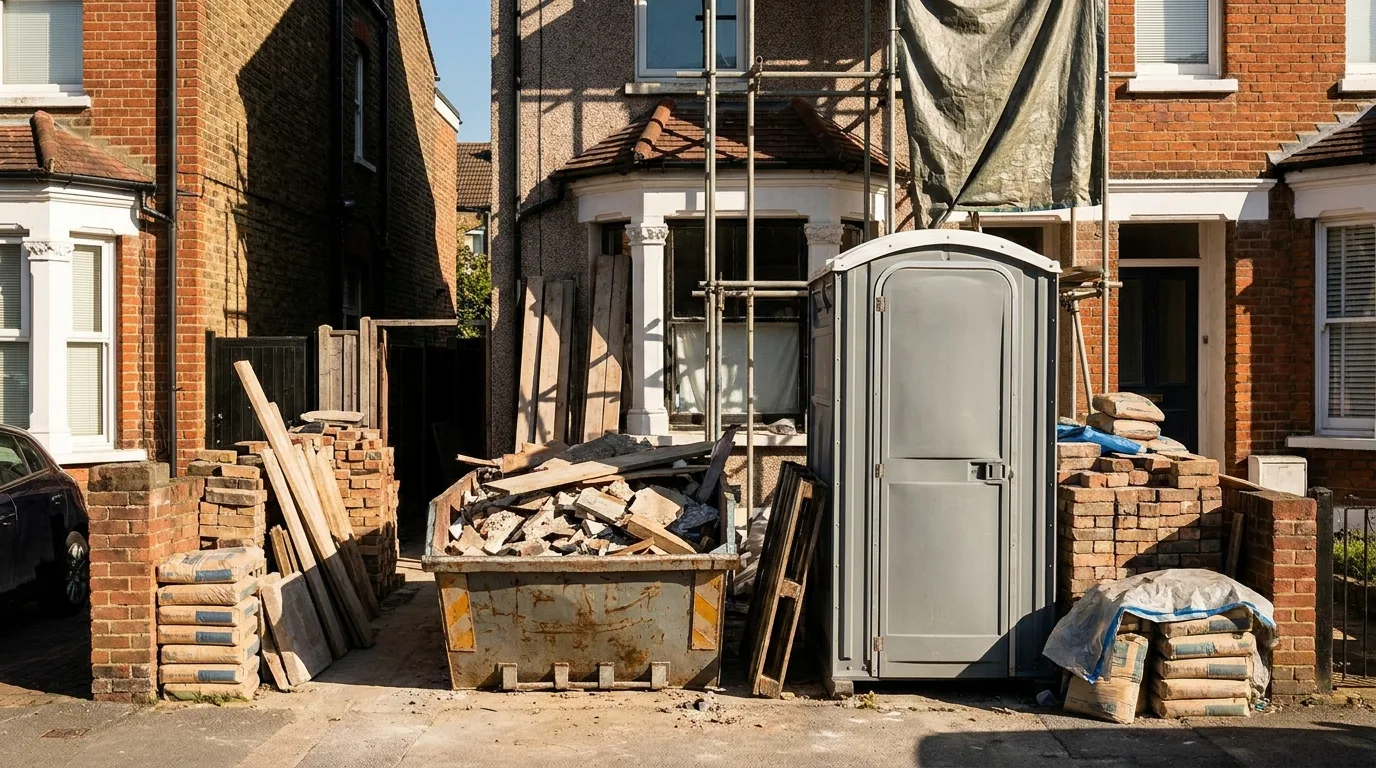
Start with ground. A standard unit measures about 44 by 48 inches at the base and needs to sit flat, so gravel pads or compacted dirt beat soft grass or a slope. Keep it off silt fences and away from storm drains. If your Norfolk job runs near a curb cut, leave room for standard porta potty rental trucks to park close, because a pump hose only reaches so far before you're paying for extra time on site. ADA-compliant spots matter too. ADA Standards section 403.5.1 sets a 36 inch clear route to the unit, and section 304.3.1 calls for a 60 inch turning circle in front of the door, so an ADA accessible porta potty can't be tucked into a tight corner just because it fits. If you're clustering several units for a crew or an event, ADA Standards section 213.2 requires at least 5 percent of that cluster be accessible, never fewer than one. Wind matters more than people expect on the water. Face the door away from prevailing gusts off the harbor so it doesn't slam, and skip any spot that floods after rain, since Norfolk's low-lying blocks hold water longer than the surrounding blocks.
How far from the building or property line?
Most crews keep units at least 5 feet off any structure and clear of building exits so foot traffic and delivery trucks don't cross paths all day. For roll-off service running alongside your restrooms, a roll-off dumpster rental needs about 60 feet of straight clearance behind the truck to place the box without dragging it across landscaping or a parked car. Dumpster placement permit questions come up constantly on Norfolk sites that want the box on the street instead of a driveway; that's a call to the city, not a guess, and it belongs on the dumpster permit requirements page rather than assumed from another job. The same logic applies to porta potty permit requirements if your unit sits in the right of way instead of private property; placement there needs confirming with the city, and we're not going to name a rule we haven't verified for Norfolk. If you're staging a temporary fence rental around the unit for a public event, leave the gate swing clear of the toilet door so nobody's fighting two hinges at once.
Why does surface and slope matter?
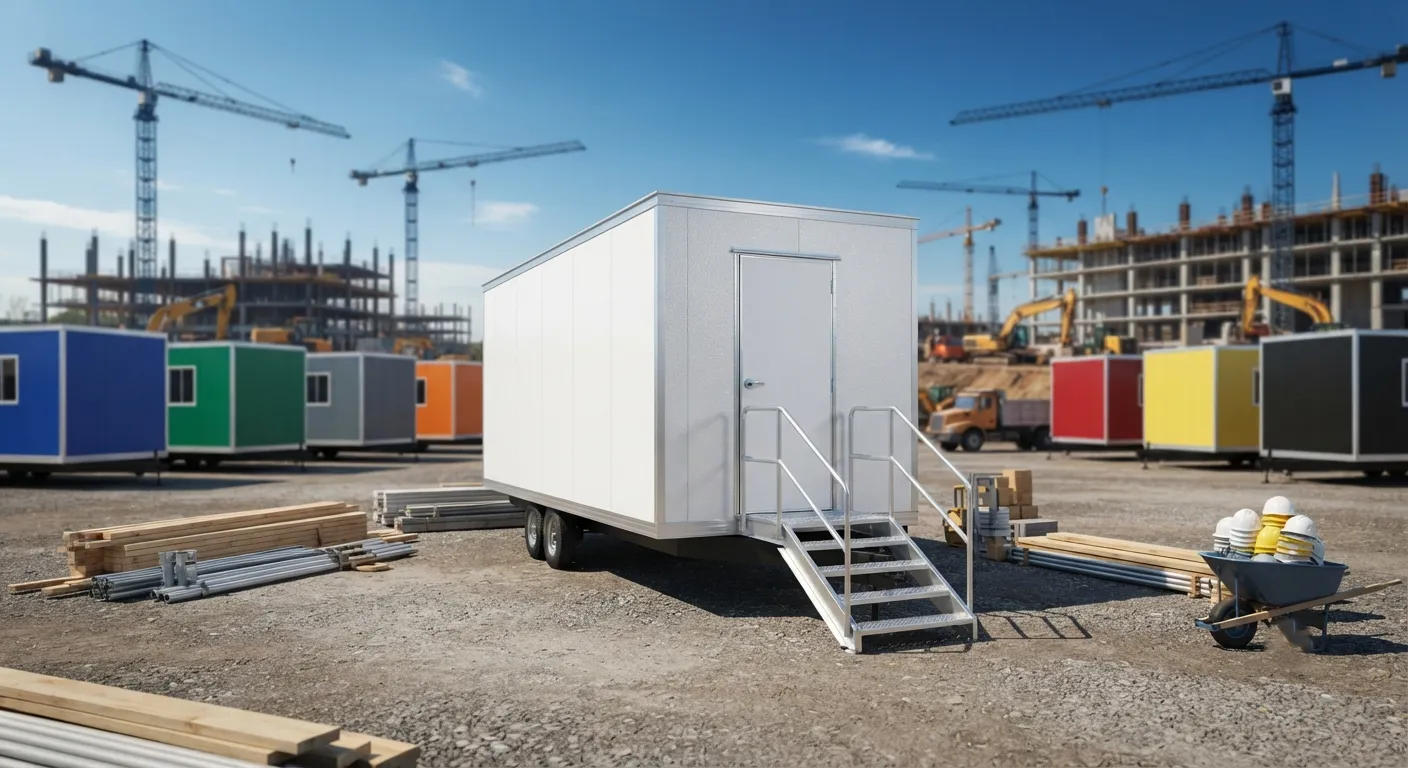
A unit that rocks is a unit that tips, and a full 60 to 70 gallon tank is not light once it's a few days into service. ADA Standards section 302.1 calls for stable, firm, slip-resistant ground, which is a good baseline even outside accessible spots. On a construction site, OSHA 1926.51(c)(1) sets the toilet ratio at one facility per 20 workers or fewer, and that math only holds if the units are actually reachable, not stuck behind a mud pit. If your project also runs a handwashing station rental, pair it close to the toilets rather than across the lot; 29 CFR 1910.141(d)(2) requires soap and towels or a hand-drying device at the wash station, and nobody walks 80 feet to use one. Ozark River portable sink replacement parts come up when a wash station's pump or spigot wears out mid-rental; swap requests are easier when the unit's placement is logged from day one, so the service crew isn't hunting for it. Site offices matter here too. If a mobile office trailer rental sits nearby, note replacement doors as a maintenance item separate from restroom service, since they're handled by different vendors even on the same site.
When does placement affect service and pricing?
Service trucks need the same clearance every visit, not just on delivery day, so a spot that works at drop-off has to keep working at every pump-out under ANSI/PSAI Z4.3, which sets a baseline of one service visit weekly for up to 10 users across a 40 hour week. Move a unit after the first cleaning and you'll likely pay a relocation fee on top of the delivery fee, which runs from a bit over a hundred dollars up past several hundred depending on distance and access.
| unit | day | week | month |
|---|---|---|---|
| standard | $100 - $350 | $130 - $500 | $125 - $325 |
| ada | $200 - $400 | $240 - $240 | - |
| deluxe | $85 - $1200 | $150 - $290 | - |
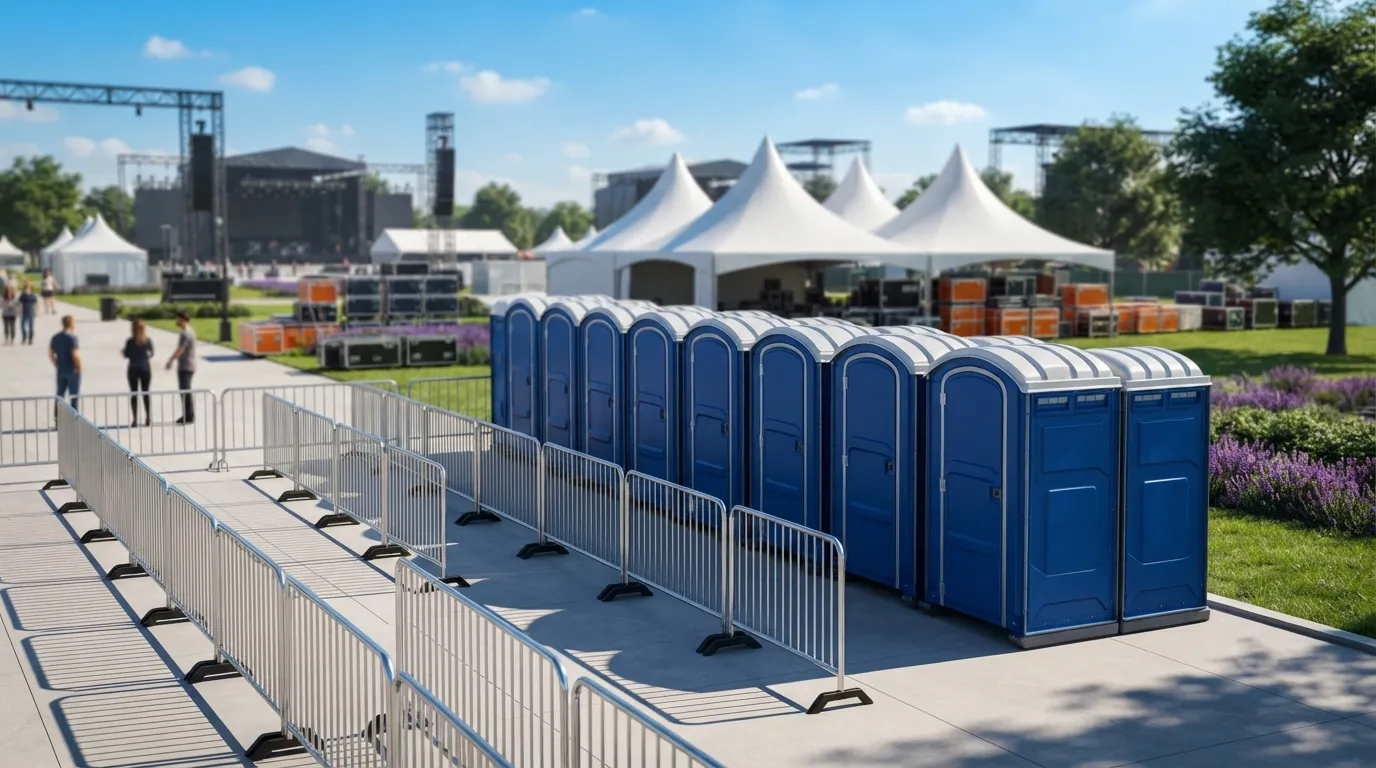
Placement problems compound on multi-day events. A festival restroom rental or marathon restroom setup with units spread across a course needs a placement map before delivery day, not after. For septic-served properties near Norfolk, placement of a portable holding tank sometimes ties into an existing system; a septic pumping service crew can flag if your septic tank pumping cost estimate should include an extra pump-out because the portable unit's added load pushed things early. If you're outside city limits, note that a placerville septic pumping service call is a different market entirely and has no bearing on Norfolk logistics.
How many units does my site need?
Use OSHA 1926.51(c)(1): one toilet for 20 workers or fewer, then one toilet and one urinal per 40 workers above that. Event crowds run differently; check the how many porta potties do I need guide for headcount-based ratios instead of the OSHA construction table.
Can I place a porta potty in the street or right of way?
Only with the city's sign-off, and Norfolk's specific right-of-way rule isn't something we'll guess at here. Confirm before delivery through porta potty permit requirements or call the city directly rather than assume last year's job site rules still apply.
Do ADA units need a different spot than standard units?
Yes. They need a 36 inch clear path per ADA Standards 403.5.1, a 32 inch door opening per section 404.2.3, and a 60 inch turning circle in front per section 304.3.1. A standard 44 by 48 inch unit doesn't need that footprint.
Does winter change where I should put a unit?
Ice on the pad is the main risk, so pick ground that drains and stays clear of runoff freeze. See porta potty in winter for servicing notes once the unit's placed.
Will a dumpster and a porta potty conflict on a small lot?
They can, mostly over truck access. Give the dumpster its 60 feet of straight backing clearance first, then place the restroom where it doesn't block that path; check dumpster sizes and dimensions before finalizing the layout.
Next step
Get a delivery date
Tell us the address, the dates and the headcount. We size the order and confirm the route.